Wellness tourism is a form of travel whose goal is to improve health, reduce stress and maintain balance between body and mind through relaxation, physical activity and practices that support wellbeing. These are trips focused not only on sightseeing but on consciously caring for one's health – from yoga and meditation, through movement and recreation, to a healthy diet and regeneration. More and more people, however, are discovering that the philosophy of wellness tourism need not end when the holiday does. In fact, it can be carried over into everyday life – by choosing a place to live that supports health, nature and a calmer daily rhythm.
What is wellness tourism and why is the trend growing so fast?
What is wellness tourism? Put most simply, it is travel undertaken to maintain or improve physical, mental and emotional health. Unlike a classic holiday, it is not only about rest but about wellness experiences that help maintain a healthy lifestyle.
Global wellness tourism is developing extremely dynamically today. According to data from the Global Wellness Institute, the wellness economy reached a value of over USD 6.3 trillion in 2023.
Interestingly, wellness tourists spend on average around 130% more than ordinary tourists, because they seek high-quality experiences. Moreover, this is not a narrow group visiting luxury spas. In reality, wellness tourists are a very diverse group of people who want to maintain a healthy lifestyle even while travelling.
Most wellness trips are so-called secondary wellness trips, in which wellness is part of the experience rather than the sole purpose of the journey. People travel, for example, to the mountains, the seaside or a spa town, while at the same time caring for their health through movement, meditation or healthy eating. What matters in wellness tourism is precisely this: that restorative trips can be combined with rest, activity and conscious self-care.
Wellness tourism versus medical tourism – the differences
Wellness tourism is often confused with medical tourism. This stems mainly from the ambiguous definitions used by various tourism organisations. In practice, however, the difference between these forms of travel is quite clear. It is worth knowing this difference, because the two phenomena respond to entirely different traveller needs.
- Medical tourism involves travelling to undergo a specific procedure or treatment. It can include operations, specialist consultations or rehabilitation.
- Wellness tourism focuses on health prevention and improving wellbeing. Its goal is to regenerate the body, reduce stress and strengthen psychophysical balance.
This is where different types of wellness come in – from physical activities to mind-body practices and wellness routines that support everyday wellbeing.
That is why wellness trip offerings often feature activities that support rest and a healthy lifestyle, such as yoga and meditation, outdoor exercise or bathing in thermal waters. Healthy-eating programmes are also a popular element. In addition, such trips help reduce stress and teach how to carry healthy habits over into everyday life.
A digital detox – the conscious limiting of technology use – is also playing an increasingly important role. In a world full of notifications and stimuli, this kind of rest helps regain focus, calm down and reduce tension more effectively. For many people, the very chance to disconnect from the everyday pace becomes one of the most important elements of wellness trips. It is also a moment when it is easier to look at one's own needs from within and rebuild balance.
Holistic regeneration – the foundation of wellbeing tourism
In the modern approach to wellness, holistic regeneration plays a key role – caring for health in a comprehensive way, taking body, mind and emotions into account. The idea of wellbeing tourism is not only momentary rest, but also support for balance and long-term health.
Regular wellness practices can support the body's immunity, improve joint mobility and help reduce stress by lowering cortisol levels. That is why many programmes also feature modern regeneration methods such as breathwork or red-light therapy, which complement traditional forms of rest and support the body's renewal process.
Wellness travel and the longevity philosophy
Increasingly, wellness travel is combining with the idea of longevity. The longevity philosophy holds that lifespan depends largely on lifestyle and on the environment in which we live.
Five pillars of longevity are most often cited:
- a healthy diet and access to nutritious food,
- regular physical activity,
- closeness to nature,
- reduced stress and a calmer pace of life,
- social relationships.
When these elements are part of everyday life, wellness ceases to be merely a holiday experience. It becomes a way of life.
Health-oriented infrastructure – how does architecture support wellbeing?
The location and the way a space is designed can affect residents' health and everyday wellbeing. For this reason, modern design increasingly talks about health-oriented infrastructure – the kind that supports an active and balanced lifestyle.
A well-designed place to live should, above all, encourage movement and recreation, enable contact with nature, provide access to natural light and offer space conducive to rest and regeneration.
Architectural accessibility is also an important element. The absence of thresholds, wide passages and lifts keep a space comfortable and functional at different stages of life. This approach is known as aging in place – creating places that remain comfortable and welcoming even as the years pass.
Wellness in practice – the example of Izera Park
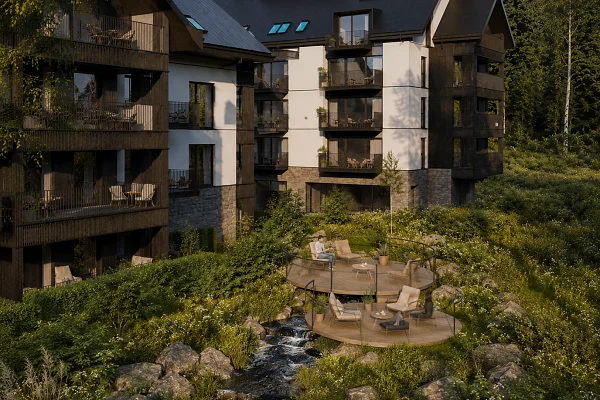
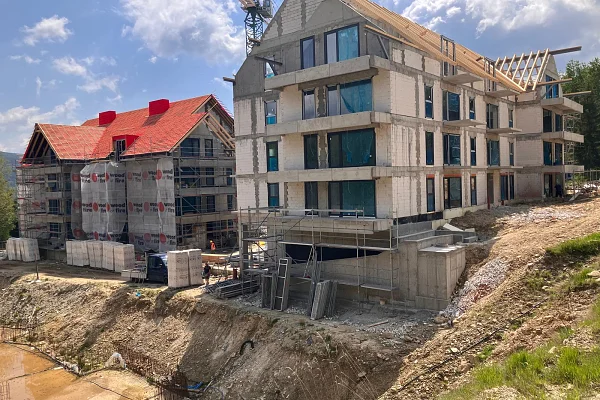
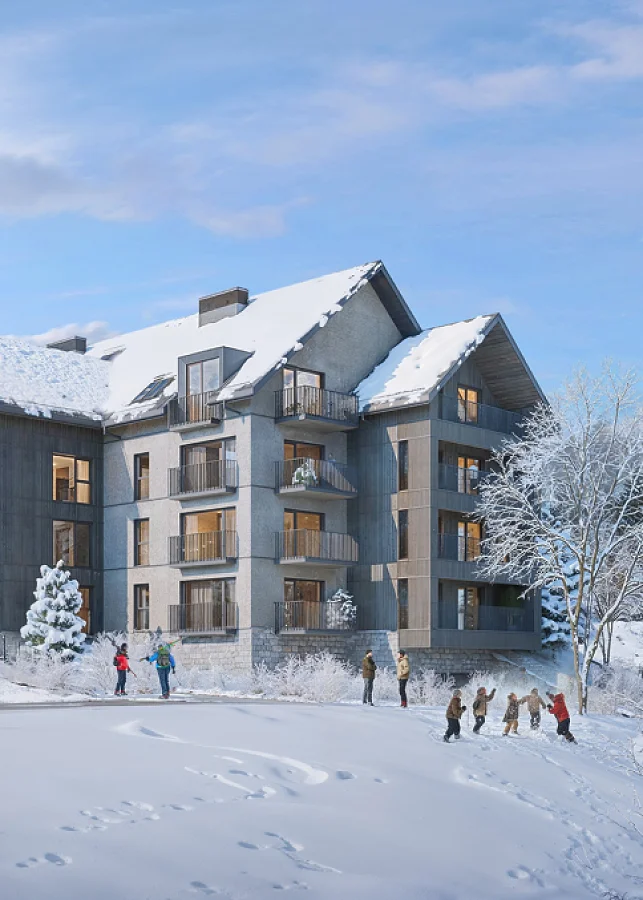
A good example of carrying the idea of wellness over from travel into everyday life is Izera Park in Świeradów-Zdrój. The development is being built in a spa town with over 200 years of climate-treatment tradition, surrounded by the spruce forests of the Izera Mountains.
This place was designed as a second home – a space for living and regular rest – not a typical aparthotel for short-term rental. Thanks to this, residents can return here in their free time and make use of the region's natural assets.
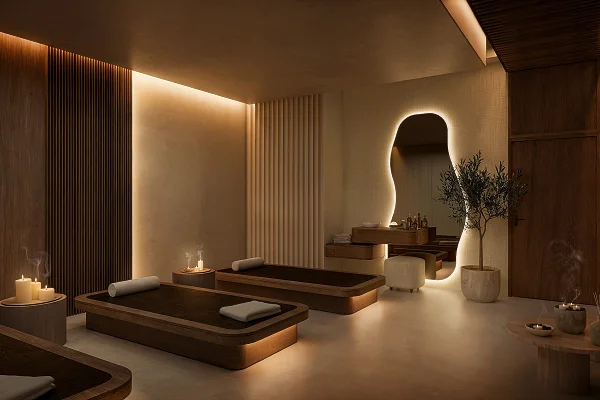
The development also provides solutions that support a healthy lifestyle: a Ganbanyoku sauna, a yoga room, a bike room and spaces to relax beside a natural stream. In addition, the proximity of hiking trails, MTB routes and the gondola lift up to Izerski Stóg encourages physical activity.
Wellness tourism and everyday life
More and more people are discovering that wellness tourism is not only an idea for a holiday, but an inspiration to change their lifestyle. If your place of residence encourages movement, contact with nature and a calmer daily pace, wellness becomes part of everyday life.
The Proxin team designs its developments in exactly this way – combining architecture, a well-considered location and functional solutions with the idea of a healthy lifestyle. If you would like to learn more about projects such as Izera Park and see what architecture inspired by the philosophy of longevity looks like in practice, visit the Proxin sales office and discuss the details of the development with the team.
Get in touch with the Proxin team: sprzedaz@proxin.pl / +48 603 711 805 / izerapark.pl